
When I started in the field as a contractor, I learned something crucial early on:
The skills you bring to a job matter more than the tools you use.
Not because tools aren’t important — they are — but because skills determine how well a team uses them.
In 2026, the landscape is shifting fast. Projects are bigger, schedules are tighter, and technology is no longer optional — it’s core to everyday work.
This article explains what construction skills will be in demand in 2026, why they matter, and how builders and workers can prepare — not by chasing buzzwords, but by focusing on clarity, coordination, decision-making, and digital fluency.
Why Skills Demand Matters in 2026
The construction industry is under pressure from multiple angles.
There is a persistent labor shortage, with industry groups projecting hundreds of thousands of additional workers needed in 2026 to keep up with demand. In the U.S. alone, the industry needed about 439,000 additional workers in 2025, rising to an estimated 499,000 in 2026 (Deloitte).
In the Philippines, the challenge is not just headcount — it is capability. Construction remains one of the country’s largest employment sectors, with millions of workers involved, but industry and labor reports consistently point to a skills mismatch, particularly in digital, coordination, and project-level decision skills.
Digital transformation and automation are accelerating, making technology skills more essential — even on job sites traditionally dominated by manual labor.
This gap isn’t just about numbers. It’s about quality of capability — the right skills in the right places.
The Core Skills in Demand for 2026
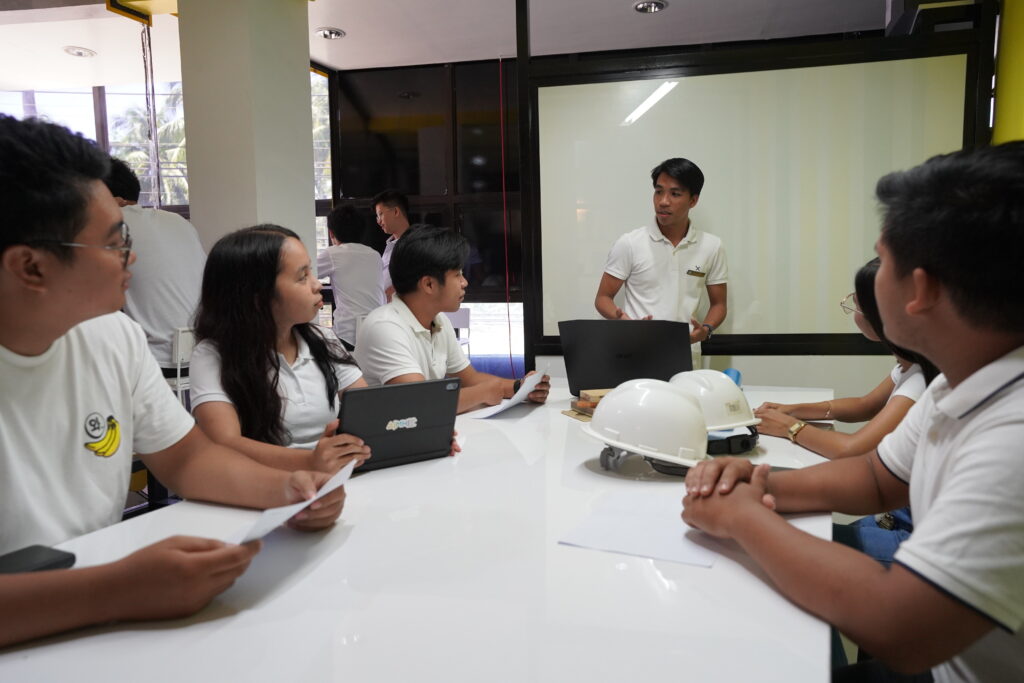
Here are the top categories of skills that will define success in construction in 2026 — not buzzwords, but career-empowering capabilities.
1. Trade & Technical Proficiency
This remains the foundation.
Skilled trades — carpentry, electrical, plumbing, welding, equipment operation — are still core to project delivery. But in 2026, proficiency is expected at a higher level than before.
Contractors consistently report that hard technical skills are in shorter supply — and that the cost of not having them is project delay, rework, or safety issues. Because of this, deep technical ability combined with adaptability will be in high demand.
This isn’t just about doing a task — it’s about doing it efficiently, safely, and in coordination with the rest of the job flow.
2. Digital Fluency & Data Literacy
Digital tools aren’t future technology anymore — they are industry standard. Tools like digital project dashboards, electronic cost tracking, and collaboration platforms are becoming must-know skills, not optional add-ons.
Industry trends for 2026 highlight the rise of live data models and automated workflows that require workers to interact with technology throughout the workday.
This means workers who can:
- read data dashboards
- understand project software outputs
- communicate digital insights to field teams
will be far more competitive than those who cannot.
This is not IT work — it’s practical, field-relevant digital literacy.
3. Coordination & Communication
In many ways, this is the skill that gets overlooked.
Projects fail not because someone can’t swing a hammer, but because people don’t communicate changes clearly, coordinate sequences well, or understand how their work affects others.
Global workforce studies consistently show that communication, teamwork, and problem-solving are among the most valued skills across industries.
In 2026 construction environments, teams that can:
- translate project changes quickly
- interact effectively across departments
- respond to evolving priorities
will consistently outperform teams that can’t — even if they have similar technical capability.
4. Project Management & Decision-Making
This goes beyond traditional “foreman” roles.
Builders who can:
- interpret project progress
- identify bottlenecks early
- forecast issues before they impact deadlines
- make decisions with incomplete information
will be indispensable.
As labor shortages and cost pressures increase, construction increasingly depends on people who can orchestrate work cycles without constant manual supervision.
This is why decision-making acumen is a true differentiator in 2026.
5. Continuous Learning and Adaptability
The world is changing faster than ever. AI, digital tools, automation, safety standards, sustainability reporting — all of these are shifting what “normal work” looks like.
The skills workers need in 2026 are not static. Employers increasingly value people who:
- learn new tools quickly
- apply new safety standards
- adapt to hybrid work processes
- take responsibility for their own skill growth
This category — learning agility — is emerging as one of the most strategic skills of all.
What Skills Are Currently Missing (and Needed Most)
Across construction markets globally:
Older workers often lack digital skills, while younger workers may lack field experience — creating a skills mismatch.
At the same time, regional initiatives in Southeast Asia highlight a growing need to strengthen digital, coordination, and sustainability-related skills within the construction workforce.
This gap between traditional trade skills and newer hybrid skills is where companies will increasingly compete for talent.
Why These Skills Matter for 2026 and Beyond
Construction in 2026 isn’t just a physical task. It’s a data-driven, coordinated, decision-heavy project environment.
Builders who treat skills development as part of project strategy — not just hiring — will consistently outperform those who don’t.
That’s why:
- technical skills matter
- but they must be paired with digital fluency
- coordination frameworks matter
- decision skills matter
It’s the combination that amplifies productivity and resilience.
As construction work becomes more data-driven and coordination-heavy, having the right skills also means having the right environment to apply them.
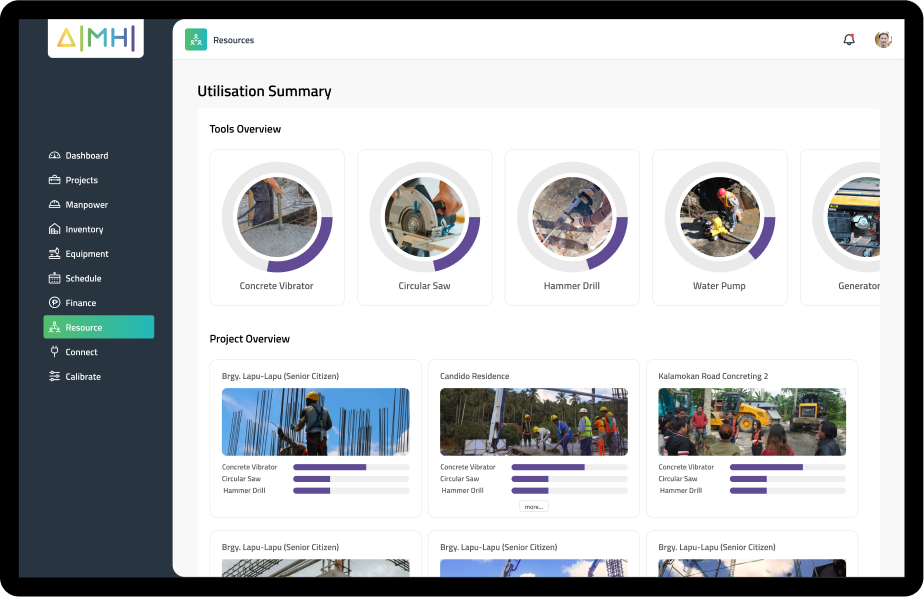
AIMHI was built around this reality — to help construction teams turn skills into clarity. By giving teams real-time visibility into progress, costs, and priorities, AIMHI supports better coordination, faster decision-making, and more effective use of both technical and digital skills.
If you’d like to see how this works in practice, you can explore AIMHI through our website or follow us on Facebook, where we share practical insights on construction clarity and operations. You may also attend a free demo to understand how AIMHI supports modern construction teams. For questions or conversations, you can reach us at teams@aimhi.ai
Final Thought
As construction evolves, workers and teams must evolve with it.
Future success won’t come from knowing one tool or one trade.
It will come from having a blend of practical skills, digital literacy, coordination ability, and adaptive thinking.
Investing in skills isn’t optional in 2026. It’s the difference between projects that thrive — and those that struggle.