
Most construction projects don’t “suddenly” fall behind.
They slip quietly — day by day — until one morning you realize the deadline is no longer realistic, costs are creeping up, and everyone is scrambling to explain what went wrong.
The hardest part? By the time most builders know a project is delayed, it’s already too late to fix easily.
So how do you really know if your construction project is falling behind — before it becomes a crisis?
The uncomfortable truth: delays don’t start with missed deadlines
Delays usually start with unclear progress.
On paper, things look fine.On site, things feel rushed. In meetings, updates sound optimistic — but vague.
Common signs builders experience:
- “We’ll catch up next week.”
- “We’re almost done with that scope.”
- “The report says we’re okay… I think.”
When progress isn’t clear, delays hide in plain sight.
Why it’s so hard to tell when a project is slipping
Most builders rely on:
- Manual updates
- Weekly or bi-weekly reports
- Excel-based tracking
- Verbal site updates
The problem isn’t effort. The problem is timing.
By the time information is collected, summarized, and reported, it’s already outdated. What you’re seeing is the past, not what’s happening right now.
This creates a dangerous gap:
- Decisions are made late
- Adjustments happen reactively
- Problems compound quietly
The real problem isn’t delay — it’s lack of clarity on progress
Here’s the key shift most builders miss: Delays happen because there’s no real-time clarity on project progress.
If you can’t clearly answer these questions at any moment:
- What should be done by now?
- What is actually done?
- What is falling behind — and why?
Then delays are already forming, even if no one has announced them yet.

Early warning signs your project is falling behind
You don’t need a missed deadline to know there’s a problem.
Watch for these signals instead:
- Progress updates sound general, not specific
- You discover issues only during meetings
- Tasks are marked “almost done” for weeks
- You rely on follow-ups instead of visibility
- The same delays keep getting “recovered later”
These aren’t management failures. They’re visibility failures.
Why more meetings and reports don’t fix delays
When delays start showing, the usual response is:
- More meetings
- More reports
- More follow-ups
But this actually makes things worse. Why?
Because it adds work without improving clarity.
People spend more time explaining progress instead of seeing it. And explanations are never as reliable as visibility.
What real progress clarity actually looks like
Clarity doesn’t mean perfection.It means seeing reality early.
Real clarity on progress means:
- You can compare planned vs actual progress easily
- You can spot slippages before they snowball
- You don’t rely on memory or guesswork
- Adjustments happen while they’re still affordable
When progress is clear, delays stop being surprises — they become manageable risks.
Where AIMHI fits in
This exact problem — not knowing early enough — is why platforms like AIMHI exist.
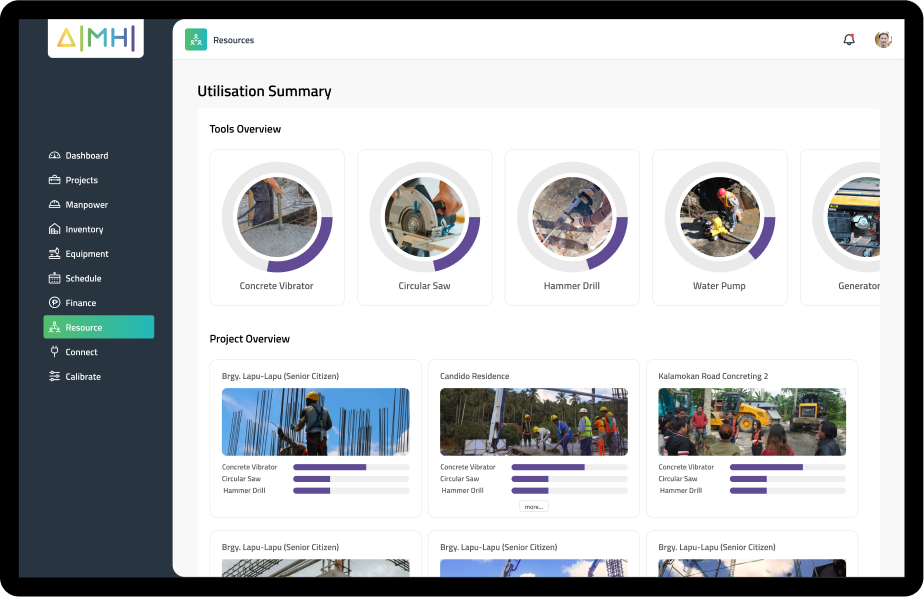
AIMHI was built to give builders real-time clarity on project progress, so decisions are based on what’s actually happening, not what should be happening.
Not more reports. Not more admin work. Just clearer visibility.
If you’d like to see how early visibility can help teams spot delays before they escalate, you can explore AIMHI through our website or follow us on Facebook, where we share practical insights on project clarity and construction operations.
If you want to understand how this visibility works in real-world projects, you may also attend a demo to see how AIMHI supports progress tracking, coordination, and decision-making. For questions or conversations, you may reach us at teams@aimhi.ai
The mindset shift that changes everything
Here’s the most important takeaway:
You don’t prevent delays by working harder.
You prevent delays by seeing earlier.
When you have clarity on progress, you:
- act sooner
- adjust faster
- protect timelines before damage is done
And that’s the difference between projects that constantly “recover later” and projects that stay under control.
Final thought
If you’re asking, “How do I know if my project is falling behind?” — that question alone already puts you ahead.
Because the builders who win long-term aren’t the ones who react fastest to problems.
They’re the ones who see them first.