
Every new year, construction companies, builders and contractors ask some version of the same question:
“How do I stop my projects from going over budget this year?”
or
“What’s the best way to prevent construction cost overruns in 2026?”
The frustrating part is this:
Most builders already have estimates.
Most projects already start with profit on paper.
And yet — money still disappears.
The uncomfortable truth about cost overruns
Construction projects don’t usually go over budget because of one big mistake. They go over budget because of many small leaks that aren’t visible early enough. By the time overruns are “confirmed”:
- the work is already done
- the costs are already spent
- the options are already limited
The damage didn’t happen suddenly. It happened quietly.
Why estimates don’t protect you from overruns
This is where many builders get stuck.
They think:
“We already have an estimate. Why are we still losing money?”
Because an estimate is static. Real projects are not.
What usually happens:
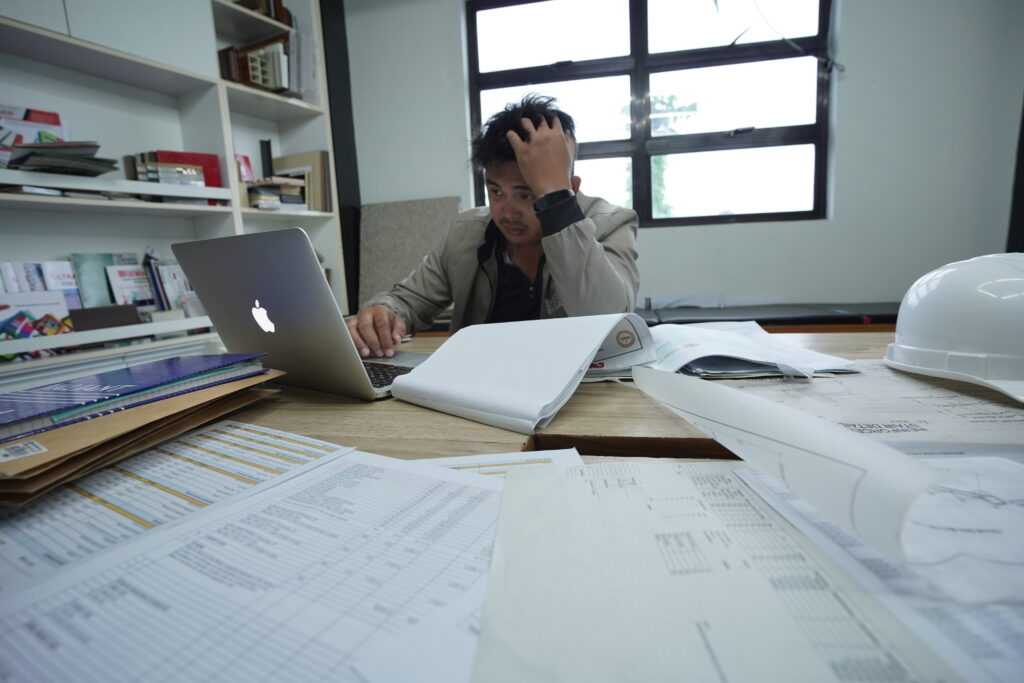
- the estimate lives in Excel
- actual costs update late
- variations creep in slowly
- labor and materials drift over time
There’s no real-time connection between: what you planned and what is actually happening now
And that gap is where profit disappears.
The real cause of construction cost overruns
Here’s the key insight most people miss:
Cost overruns happen because builders lose cost clarity long before they realize they’re losing money.
It’s not about poor math.
It’s not about lack of effort.
It’s about visibility timing.
If you only see cost problems after the fact, you’re reacting — not managing.
Where money usually leaks (without anyone noticing)
Cost overruns often hide in places that feel “normal”:
- small scope changes that aren’t tracked properly
- materials ordered slightly above estimate
- labor hours stretching quietly
- delayed encoding of expenses
- costs reviewed only during billing time
Individually, these don’t look alarming. Together, they quietly erase margins.
Why Excel and manual tracking fail in 2026
Excel is powerful — but it was never designed for live project control.
In 2026, relying on manual tracking means:
- data is always behind reality
- decisions are based on last week’s numbers
- cost reviews happen too late
- profit becomes a surprise instead of a target
The issue isn’t discipline. It’s that manual systems can’t keep up with moving costs.
What actually prevents cost overruns
Preventing overruns isn’t about tighter control. It’s about earlier clarity.
Real cost clarity means:
- seeing estimate vs actual as work progresses
- spotting cost movement early
- understanding where money is drifting
- adjusting while there’s still time
When cost visibility is real-time, overruns become manageable risks, not unavoidable outcomes.
What the “best” construction software for 2026 does differently
In 2026, the best construction software doesn’t just record costs. It helps you:
- connect estimates to actual spending
- see cost impact as work happens
- identify problem areas early
- make informed decisions before profit is gone
That’s what separates record-keeping tools from decision tools.
Where does AIMHI fit?
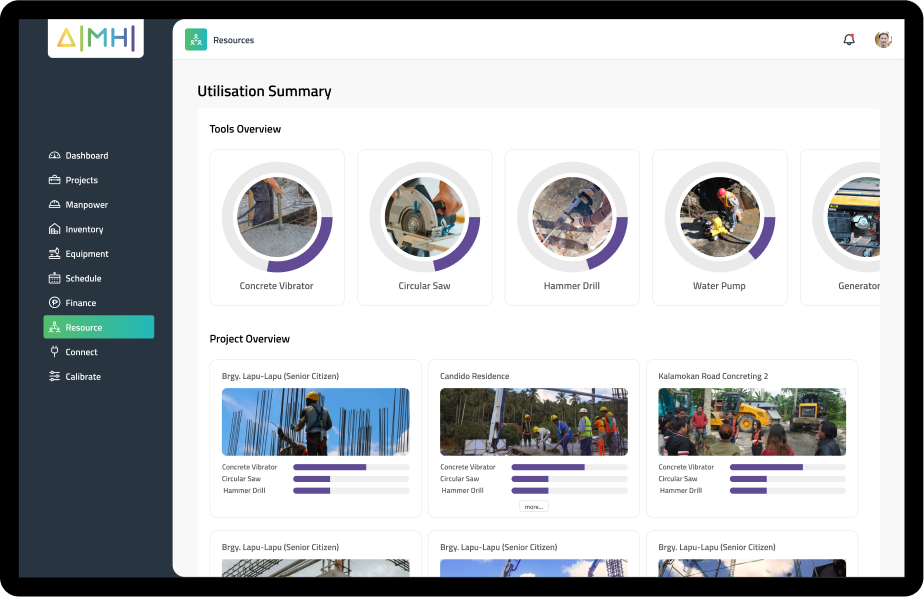
AIMHI was built around this exact problem. Not to replace Excel overnight. Not to overwhelm teams. But to give builders clear, real-time visibility into:
- estimates
- costs
- progress
- and their impact on profitability
Because when builders can see cost movement early, they don’t need heroics later.
If you’d like to explore how AIMHI helps builders gain clearer visibility on costs, progress, and project performance, you can learn more on our website or follow our updates on Facebook, where we regularly share practical insights for contractors and project teams.
For inquiries or conversations about digitalizing construction operations, you may reach us at teams@aimhi.ai
The New Year mindset shift that protects profit
As you plan for 2026, here’s the shift that matters most:
You don’t protect profit by reviewing numbers harder.
You protect profit by seeing problems earlier.
The earlier you see cost drift, the more options you have. Clarity buys time. Time protects profit.
Final thought
If you’re asking:
“What’s the best way to prevent construction cost overruns in 2026?”
The answer isn’t:
- more reports
- stricter rules
- tighter spreadsheets
It’s clear, connected visibility between estimates, costs, and reality. Because in construction, profit isn’t lost all at once. It’s lost when you don’t see it slipping.